Why Today’s Travelers Don’t Trust Static Hotel Photos Anymore (And How 3D Fixes It)
If you spend any time reading hotel reviews on TripAdvisor, Booking.com, or Reddit travel communities like r/travel and r/askhotels, you will see one brutal complaint repeated more than any other:
"The room did not look like the pictures."
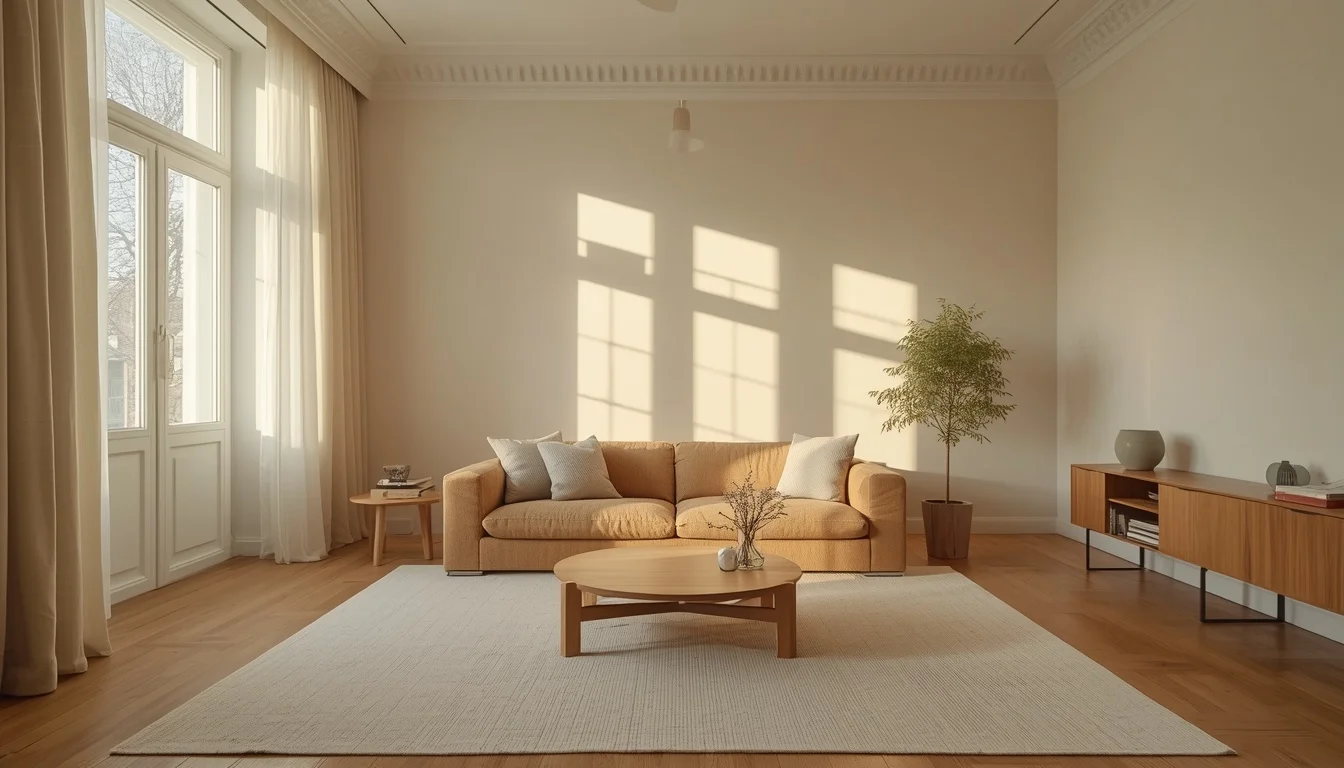
For decades, the hospitality industry has relied on a predictable visual playbook: hire a professional architectural photographer, screw on an ultra-wide-angle lens to make a 250-square-foot room look like a cavernous suite, bump up the saturation in post-production, and strategically frame out the brick wall directly outside the window.
While that strategy used to drive bookings, it has created a massive, industry-wide backlash. Modern travelers are suffering from severe photo skepticism. They have been burned by staged, digitally altered still photography too many times. When a potential guest lands on your hotel website today, their baseline assumption is not admiration—it is suspicion. They assume your static images are actively trying to hide something.
This trust deficit isn't just an image problem; it is an expensive financial leak that drives travelers off your website and into the open arms of Online Travel Agencies (OTAs). Here is why static photography is failing modern hospitality, the psychology driving guest decisions in 2026, and how browser-native 3D walkthroughs are quietly changing the direct-booking economics for independent hotels.
1. The Anatomy of Photo Deception (And the OTA Toll Tax)
When a traveler looks at a static photo gallery on a hotel website and feels uncertain about the layout, the natural light, or the size of the bathroom, what do they do? They bounce. Instead of booking directly with you, they open a new tab and search your property on OTAs like Booking.com, Expedia, or TripAdvisor to hunt for unfiltered, user-generated guest photos and verified reviews.
Once a traveler leaves your proprietary ecosystem, two things happen—both of them bad for your bottom line:
- You enter a digital dogfight: On an OTA, your hotel is suddenly displayed side-by-side with three of your direct competitors who are running aggressive flash sales.
- You pay the commission ransom: If the guest does decide to book your hotel through the OTA after verifying the photos, you are hit with a 15% to 25% commission fee.
The math is sobering. According to 2026 data published by SiteMinder, 26% of travelers now start their hotel research directly on OTAs, surpassing general search engines like Google for the first time in history (SiteMinder, 2026). However, there is a massive silver lining for hotels that optimize their direct experience: the same data reveals that 18% of travelers who discover a property on an OTA deliberately leave the platform to finalize their booking directly on the hotel's official website (SiteMinder, 2026).
Why? Because travelers want direct communication, loyalty perks, and a direct relationship with the property. But if they land on your website only to be greeted by a slow, uninspired static photo gallery that lacks transparency, that 18% direct-booking opportunity vanishes.
2. Emotion Before Logic: The Psychology of High-Ticket Stays
People do not book a luxury boutique hotel or a tropical resort based on a bulleted list of room specifications. They don't pull out a calculator to evaluate square footage against the daily rate. Travel decisions are driven almost entirely by emotion and spatial imagination.
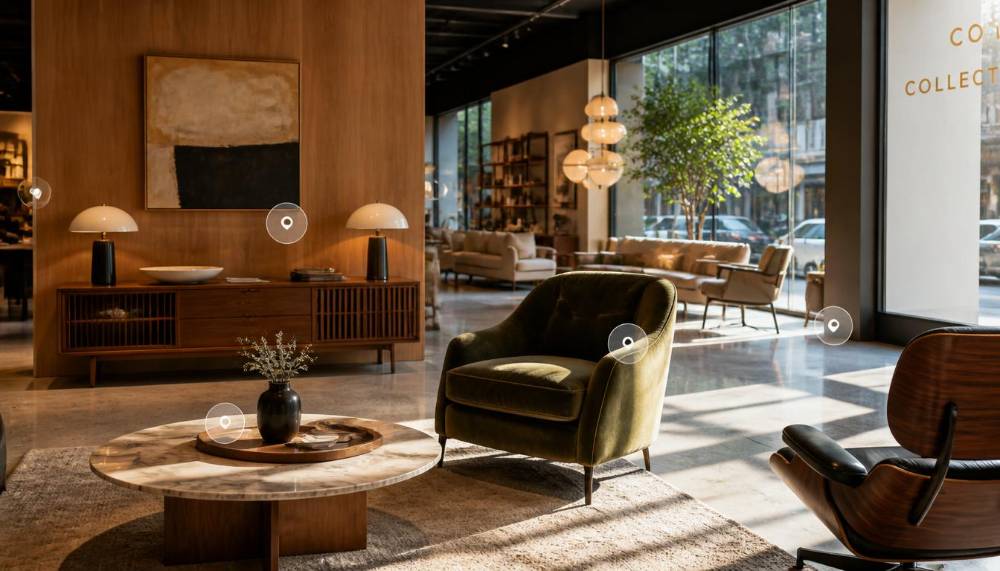
A guest chooses your property because they can mentally project themselves into the space. They want to visualize walking into the sunlit lobby, relaxing on the bouclé sofa in the lounge, or stepping out onto the private bedroom balcony with a morning coffee. Static photographs freeze a single, highly curated millisecond in time. They completely strip away the spatial flow and the atmosphere of a hotel.
According to global research compiled by Market.biz, modern consumers are demanding transparency: 67% of travelers and homebuyers explicitly state they want businesses to provide interactive virtual walkthroughs to reduce pre-booking anxiety (Market.biz, 2026). Furthermore, an in-depth hospitality sector analysis by Market.biz confirms that integrating 360-degree interactive walkthroughs can enhance online hotel booking conversion rates by as much as 85% (Market.biz, 2026).
When you allow a guest to freely explore your suites, dining areas, and gardens on their own terms, you shift their brain from logical skepticism to emotional anticipation. The booking feels less like a leap of faith and more like a formality.
3. The "Try Before You Fly" Effect on Direct Conversions
To understand the business case for immersive 3D walkthroughs, you have to look at baseline hospitality conversion rates. Across the global hotel industry, the average website conversion rate typically hovers between 1.5% and 2.5% (RMS Cloud, 2026). That means out of every 100 travelers who visit your direct booking page, 98 of them leave without paying.
When a hotel implements a true, high-fidelity digital walkthrough, that baseline shifts dramatically. Why? Because spatial clarity eliminates the friction of doubt.
- Higher Direct Booking Rates: Industry benchmarks show that properties utilizing best-in-class direct booking engines paired with immersive digital previews can push conversion rates to 5.0% and above—more than double the industry standard (BookBetterDirect, 2026).
- The Premium Room Upgrade Surge: In 2026, travelers are trading up at record rates. SiteMinder reports that 58% of guests are actively choosing Superior or Luxury room categories over standard rooms (SiteMinder, 2026). However, guests will rarely pay a $150/night premium for a "Deluxe Suite" based on two still photos. When they can virtually walk through the upgraded suite, see the standalone soaking tub, and experience the expanded floor plan, the upsell sells itself.
- Protecting Your Margins: Every direct booking generated through an interactive walkthrough saves your hotel between $30 and $75 in OTA commissions on a standard multi-night stay. Over a year, redirecting just 5% of your OTA traffic to your direct website via better visual trust can inject tens of thousands of dollars directly into your net operating operating profit.
4. Why Legacy VR Tours Failed (And Why Browser-Native Wins)
If virtual tours are so effective, why isn't every hotel using them? Because until recently, traditional virtual tour technology was terrible.
Early iterations of 3D property tours were built by software engineers, not marketers. They suffered from fatal flaws that actually hurt website conversion rates:
- Hardware and App Bloat: Legacy virtual tours required guests to download heavy third-party plugins, install mobile apps, or use VR headsets. If a user on an iPhone had to click away from your website to install an app just to see your lobby, you lost them instantly.
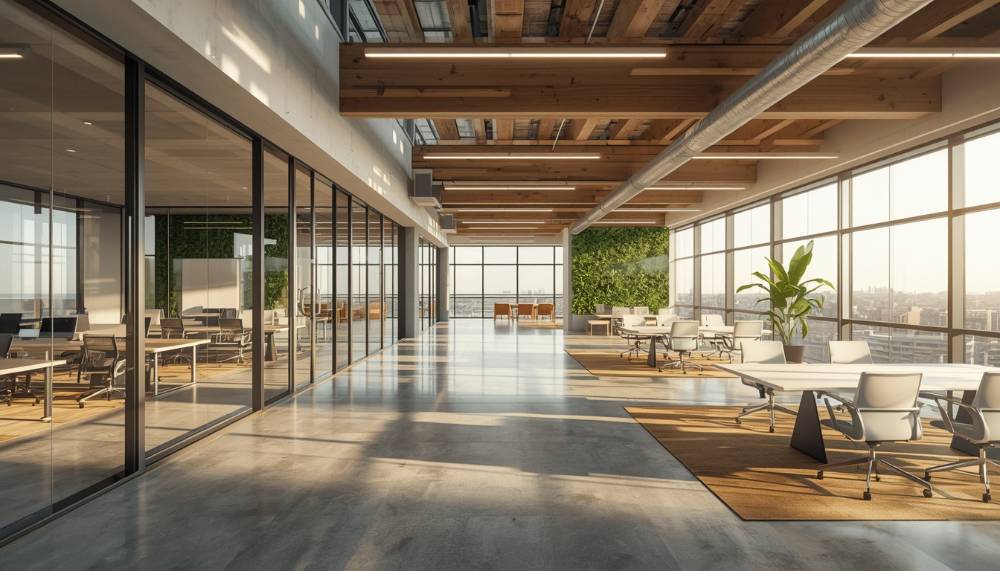
- Cold, Clinical Renders: Traditional 3D scans (like legacy real estate wireframes) look like sterile digital dollhouses. They use harsh, clinical lighting and fish-eye distortion that makes a luxury hotel room look cold, empty, and uninviting.
- Mobile Freezes: With nearly 70% of all hotel bookings now occurring on mobile devices (RMS Cloud, 2026), bulky virtual tours that take 30 seconds to load or freeze on a smartphone are a conversion disaster.
The Berl View Standard: Warmth Without Friction
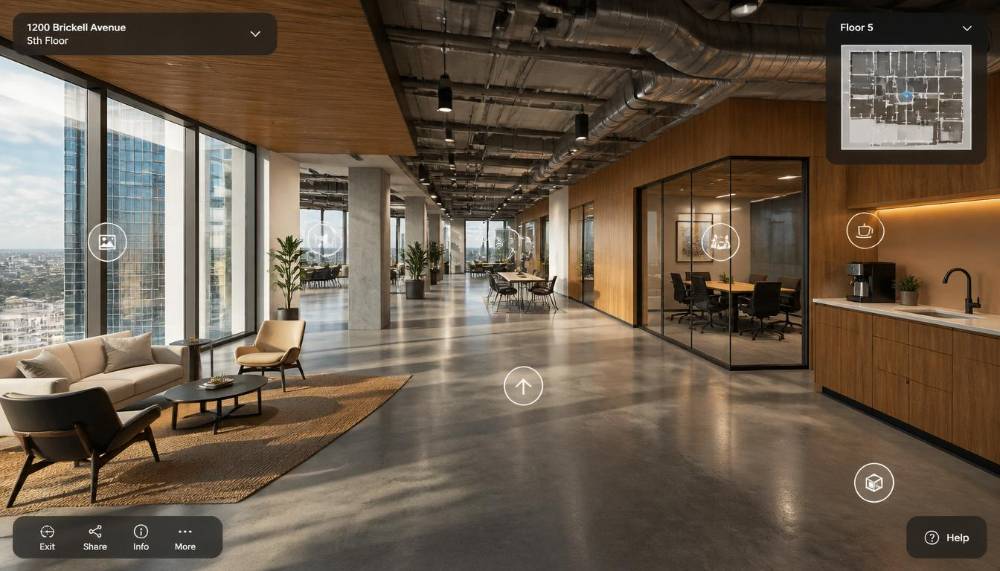
At Berl View, we approached virtual exploration from a fundamentally different direction: marketing performance and human emotion. We don't build clinical wireframes; we create browser-native 3D walkthroughs engineered specifically to convert modern travelers. Here is how Berl View separates itself from legacy VR tech:
Feature
Legacy VR & 360 Tours
The Berl View Walkthrough
Accessibility
Requires app downloads, plugins, or VR headsets
100% Browser-Native across all devices and browsers
Mobile Speed
Heavy, sluggish files that buffer and freeze on phones
Instant cloud loading optimized for mobile scrolling
Visual Aesthetic
Cold, clinical lighting with distorted fish-eye angles
Warm, soft aesthetic capturing natural light and texture
Site Integration
Third-party branding that pulls users off your domain
1-Line HTML Embed that lives directly on your website
Pricing Model
Expensive setup + mandatory recurring monthly fees
Fixed-price projects with zero ongoing subscription traps
5. Stop Telling Guests About Your Space. Let Them Live in It.
The way people choose boutique hotels and resorts has evolved. You can no longer rely on clever camera angles and saturated sunset photographs to win direct bookings. Today’s travelers demand visual proof, spatial transparency, and frictionless digital experiences.
When you embed a Berl View immersive walkthrough on your direct website, you strip away the distraction, the skepticism, and the anxiety of booking. You give international and out-of-town guests the confidence to walk your lobby, explore your suites, and picture their stay on any device—with zero apps, zero headsets, and zero friction.
When someone has already walked your space, booking doesn't feel like a risk. It feels like coming back.
Ready to elevate your direct bookings?
Most properties go from their initial briefing call to a live, shareable, browser-native 3D experience in under seven days.
Book a 30-minute briefing call with the Berl View team today and let your guests step inside before they arrive.